

Aside from the unique taste, nutritional yeast also has a unique nutrition profile. However, it’s important to read the label to make sure your nutritional yeast is fortified with the B vitamins, especially B12. Since pumpkin seeds are also considered a healthy fat, you may need to reduce the serving size depending on the other healthy fats in your meal. Choosing organic is important since soy is one of the most GMO crops and heavily treated with pesticides. Spouted tofu (along with nuts, seeds, and grains) makes the nutrients more available and easier to digest. Packed with protein and omega-3s, they’re the unsung heroes of the plant-based diet.
Future Kind’s Foundations: A Multivitamin Made for Vegans
Try our healthy egg recipes and read about the health benefits of eggs. Protein deficiencies among vegetarians and vegans are uncommon, especially for those following a healthy, well-planned diet. Its nutritional value can range a bit depending on the specific product, but most contain 15–16 g of protein per 3.5 oz (100 g) serving, along with 5–8 g of fiber. Mycoprotein is a non-animal-based protein derived from Fusarium venenatum, which is a type of fungus. It’s often used to produce meat substitutes, including veggie burgers, patties, cutlets, and fillets.
Best Dinner Foods for Losing Weight
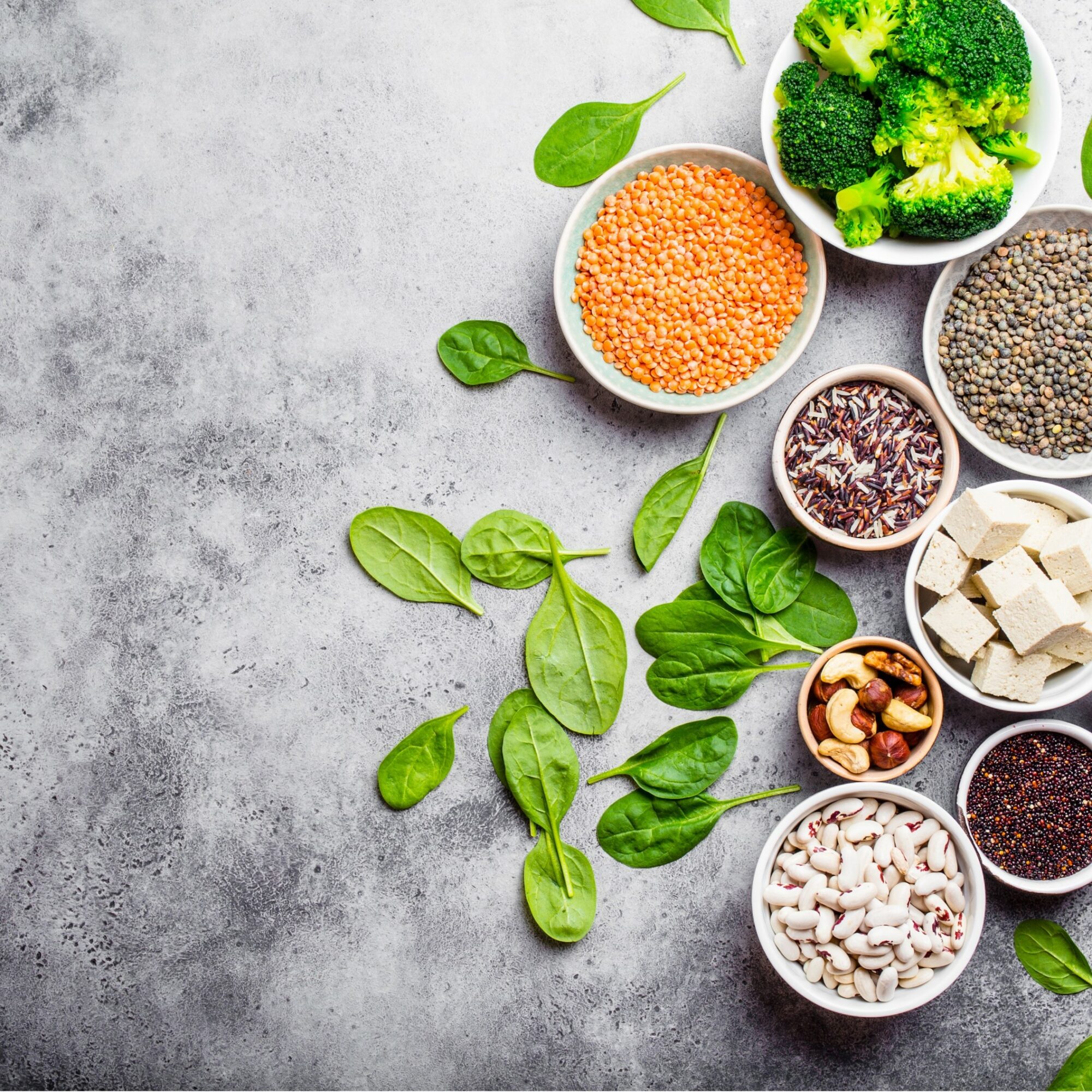
Beyond their protein content, legumes also contain omega-3 fatty acids and are great for gut health, thanks to their high fiber content. Eating more protein on a vegan diet doesn’t mean sacrificing flavor or variety. In fact, there are tons of high-protein vegan foods that fit seamlessly into your meals.
Soy or pea milk
So, a complete protein is one that contains all nine essential amino acids. Animal foods such as meat and fish are complete proteins, which is one of the reasons they have traditionally played a central role in many diets. A single cup of cooked lentils offers around 18 grams of protein, plus a solid dose of iron and fiber.
- Try them as almond butter, grab a handful for a snack or sprinkle them on salads for a protein boost.
- Half a cup (40 g) of dry oats provides approximately 5 g of protein and 4 g of fiber.
- Perhaps the most well-known of the plant-based proteins, tofu is the MVP in this category.
- Most adults need about 0.75 to 0.8 grams of protein per kilogram of body weight each day.
- This soy-based plant protein is mild in flavor, so Sheth says it easily absorbs any spices and flavors.
- Tofu, tempeh, and edamame are all made from soybeans and are excellent plant-based complete protein sources.
High-Protein Plant-Based Foods and How to Eat More of Them
Mycoprotein products contain around 13 g of protein per ½ cup serving. They also provide a good amount of vitamin E, which is great for the skin and eyes. A dietitian who follows the Mediterranean diet previously told BI she incorporates nooch into her diet by sprinkling it on savory dishes as a cheese replacement. The gut health expert Tim Spector, Amati’s colleague at Zoe, uses it instead of bouillon cubes to add flavor to his cooking. Even if you don’t go fully plant-based, research suggests it’s possible to significantly reduce unimeal reviews consumer reports your risk of chronic disease by replacing some animal protein with plants, Amati said. It’s important to note that these health risks don’t appear to be linked to eating fish or lean meats such as turkey and chicken (24).
Vegan Protein Sources: 50 Best Foods [CHART+DATA]
Try it as a substitute for bacon on a BLT, chopped up on a tasty salad, or in a stir-fry with some colorful veggies. Overall, there is a lack of research comparing the effects of animal vs. plant proteins on weight loss. Plant protein sources, which also contain fiber, are only partially digested or not digested by the body. Fiber passes through the digestive system, giving stool bulk and making it softer. The plant-based milk section of the grocery store seems to expand every month. It can be daunting trying to find the “best” option for you, https://www.nhs.uk/healthier-families/recipes/ and nut, oat, and other plant-based milks all have a place, Jones believes.
Nuts, nut butter, and other seeds
She is a member of the British Association for Applied Nutrition and Nutritional Therapy (BANT) and a member of the Guild of Food Writers. Over the last 15 years she has been a contributing author to a number of nutritional and cookery publications including Good Food. Try our healthy chicken recipes and healthy chicken breast recipes. Opt for lean protein from white meat poultry, such as chicken and turkey.
How often do you eat meals that are entirely plant-based?
In the past, nutritionists recommended pairing different plant proteins (like beans and rice) at every meal to balance out the levels. If you eat a variety of plant proteins throughout the day and eat enough calories, your body will get sufficient essential amino acids. Grains aren’t just for carb-loading – they’re a solid source of plant-based protein, too.
Best Plant-Based Protein Sources for Vegans and Vegetarians
But if she was forced to choose just one as a top suggestion for those who don’t consume dairy, soy milk beats the competition thanks to its protein content, which is comparable to cow’s milk. Hummus is a popular vehicle for chickpeas; try it scooped up with lentil chips for a double dip of plant-based protein foods. Roasted chickpeas also make for a quick and easy snack, offering a terrific swap for fans of chips. You can also add chickpeas to soups, stews, and pasta dishes, or consider replacing canned tuna with smashed chickpeas in your next creamy salad sandwich. You can also consider lentils one of the best all-natural fiber “supplements,” since a cooked cup adds a whopping 16 grams of fiber to your daily quota.
Enjoy them as creamy peanut butter, toss them into trail mix, or sprinkle crushed peanuts over salads and stir-fries for extra crunch and flavor. Soy has somewhat of a bad reputation but it is actually a completely healthy food with lots of benefits. When it comes to protein, soy and its derivatives are staples in a vegan diet due to its high protein content and versatility. You can use soy in any of its presentations as a meat replacement in almost any meal. Even though people wonder where vegetarians get their protein, it is easy to meet the required amount on a vegetarian diet.
Nuts & Seeds – Almonds, Chia Seeds, and Hemp Seeds
He’s a vegan IFBB professional bodybuilder who I believe has been vegetarian from birth (and vegan now). And while bars are nice, they’re more expensive than protein powder and the macros aren’t as good. It’s the best way to get protein as a vegan and really helpful if you’re trying to hit some tough macros. No significant effects of soy protein or isoflavone intake on T, SHBG, free T, or FAI were detected regardless of statistical model. If you’re not too picky, it’s easy to toss a few of those ingredients above together and put some sort of basic sauce or peanut butter on them.

コメント